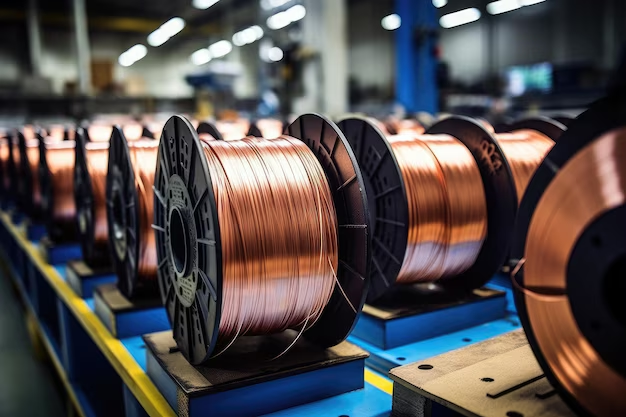


Copper vs aluminium wire is one of the most common questions when it comes to home electrical wiring. Choosing the right wire material directly affects home safety, electrical performance, energy efficiency, and long-term reliability. Using the wrong type of wire can increase the risk of overheating, voltage drop, and electrical fires.
In this blog, we explain the difference between copper and aluminium wires, compare their safety, performance, and cost, and clearly answer which is better for home safety in simple, easy-to-read English.

Why Wire Material Matters for Home Safety
Electrical wires carry current throughout your home. The material used inside the wire (conductor) decides:
- How safely electricity flows
- How much heat is generated
- How long the wiring lasts
- How reliable appliances perform
High-quality wiring is the foundation of a safe home electrical system. You can explore certified electrical cables designed for residential and industrial safety.
What Is Copper Wire?
Copper wire uses copper as the conductor material. Copper has been used in home wiring for decades because of its excellent electrical properties.
Key Features of Copper Wire:
- Very high electrical conductivity
- Low resistance and less heat generation
- Strong and durable
- Excellent corrosion resistance
What Is Aluminium Wire?
Aluminium wire uses aluminium as the conductor. It is lighter and cheaper than copper and is commonly used in overhead power transmission and some large-scale installations.
Key Features of Aluminium Wire:
- Lower cost compared to copper
- Lightweight
- Acceptable conductivity (but lower than copper)
- Requires thicker size for same current load
Copper vs Aluminium Wire – Safety Comparison
Table 1: Copper vs Aluminium Wire Comparison
| Feature | Copper Wire | Aluminium Wire |
|---|---|---|
| Electrical Conductivity | Very High | Medium |
| Heat Generation | Low | Higher |
| Fire Risk | Very Low | Higher if not installed properly |
| Durability | Excellent | Moderate |
| Corrosion Resistance | High | Medium |
| Flexibility | High | Low |
| Joint Stability | Strong | Can loosen over time |
Which Wire Is Safer for Home Wiring?
When it comes to home safety, copper wire is clearly the better choice.
Why Copper Wire Is Safer:
- Handles high current without overheating
- Maintains strong connections over time
- Less risk of loose joints
- Better performance during voltage fluctuations
This is why most electricians recommend copper wires for lights, sockets, ACs, geysers, and washing machines.
Aluminium Wire – Risks in Home Wiring
Aluminium wire can be risky in homes if not used correctly.
Common Safety Issues:
- Expands and contracts more than copper
- Connections can loosen over time
- Higher chances of sparking
- Requires special connectors and installation care
Due to these risks, aluminium wiring is not recommended for standard home internal wiring.
Cost Comparison: Copper vs Aluminium Wire
Table 2: Cost & Performance Comparison
| Aspect | Copper Wire | Aluminium Wire |
|---|---|---|
| Initial Cost | Higher | Lower |
| Long-Term Cost | Lower (less maintenance) | Higher (repairs & risks) |
| Lifespan | Long | Shorter |
| Maintenance | Minimal | Frequent checks required |
Although copper wire costs more initially, it is more economical in the long run due to safety and durability.
Where Aluminium Wire Is Commonly Used
Aluminium wire is suitable for:
- Overhead power transmission lines
- Utility distribution networks
- Large industrial power systems
For residential interiors, copper wires remain the safest choice. Learn more about power cables used in high-load applications.
Copper Wire Grades for Home Use
Different copper wire sizes are used based on load:
- 1.5 sq mm – Lights and fans
- 2.5 sq mm – Sockets and washing machines
- 4.0 sq mm – AC and geyser
Flexible copper wires are ideal for appliances. Explore flexible cables designed for vibration and movement.
Safety Tips for Home Wiring
- Always choose ISI-certified copper wires
- Use correct wire size for each appliance
- Avoid mixing copper and aluminium in joints
- Ensure proper earthing
- Get wiring done by a licensed electrician
You can also verify cable certifications before purchasing.
Common Myths About Aluminium Wiring
- Myth: Aluminium wire is as safe as copper for homes
- Fact: Aluminium requires extra precautions and is less reliable
- Myth: Aluminium wire saves money
- Fact: It may increase maintenance and safety costs
Final Verdict: Copper or Aluminium – Which Is Better?
When comparing copper vs aluminium wire for home safety, copper wire is the clear winner. It offers superior conductivity, lower fire risk, longer life, and better overall safety for residential electrical systems.
For a safe and reliable home, always invest in high-quality copper electrical wires and follow standard wiring practices.