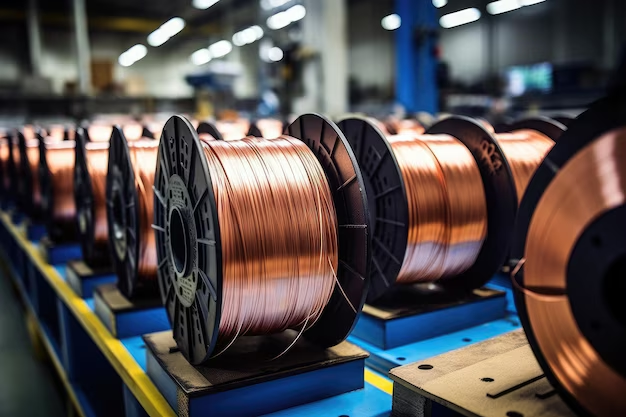


RoHS cable meaning and its importance in 2025 is a very important topic for buyers, electricians, manufacturers, and businesses involved in electrical and electronic products. As safety, environmental protection, and compliance rules become stricter, RoHS-compliant cables are becoming the new standard across industries.
In this blog, we explain what RoHS cables mean, their key benefits, and why RoHS compliance matters in 2025 in simple, easy-to-read English. This guide is useful for anyone who wants to choose safer, eco-friendly, and future-ready electrical cables.

What Does RoHS Mean?
RoHS stands for Restriction of Hazardous Substances. It is a regulation that restricts the use of certain harmful materials in electrical and electronic products, including cables and wires.
RoHS compliance ensures that cables do not contain dangerous levels of toxic substances that can harm humans or the environment.
Originally introduced in the European Union, RoHS standards are now followed globally and are becoming increasingly important in 2025.
Hazardous Substances Restricted Under RoHS
RoHS limits the use of the following substances:
Table 1: Restricted Substances in RoHS Cables
| Substance | Common Use in Non-RoHS Cables | Health & Environmental Risk |
|---|---|---|
| Lead (Pb) | Soldering, PVC compounds | Toxic, harmful to nervous system |
| Mercury (Hg) | Additives | Extremely toxic |
| Cadmium (Cd) | Pigments, stabilizers | Cancer risk |
| Hexavalent Chromium (Cr6+) | Corrosion protection | Skin and respiratory damage |
| PBB | Flame retardants | Hormone disruption |
| PBDE | Flame retardants | Environmental pollution |
RoHS-compliant cables either eliminate or strictly limit these substances.
What Is a RoHS-Compliant Cable?
A RoHS cable is an electrical cable manufactured using materials that meet RoHS regulations. These cables:
- Use safer insulation compounds
- Avoid toxic heavy metals
- Meet global environmental standards
You can explore certified electrical cables that are designed to meet RoHS and other safety requirements.
Key Benefits of RoHS Cables
RoHS cables offer multiple benefits across safety, health, and compliance.
1. Better Human Safety
RoHS cables reduce exposure to toxic substances, making them safer for:
- Electricians
- Factory workers
- End users
This is especially important in homes, schools, hospitals, and offices.
2. Environment-Friendly
RoHS-compliant materials reduce environmental pollution during:
- Manufacturing
- Usage
- Recycling and disposal
This supports sustainable development and green building goals.
3. Legal & Regulatory Compliance
Many countries require RoHS compliance for:
- Electrical products
- Electronic equipment
- Export shipments
Using RoHS cables helps avoid legal penalties and product rejection.
4. Global Market Acceptance
RoHS-certified cables are accepted in international markets, making them ideal for exporters and OEMs.
To understand how certifications improve product quality, visit cable certification standards.
5. Improved Cable Quality
Modern RoHS insulation compounds provide:
- Better heat resistance
- Improved flexibility
- Longer cable life
This makes RoHS cables suitable for both residential and industrial use.
Why RoHS Cables Matter More in 2025
In 2025, RoHS compliance is more important than ever due to stricter regulations and rising awareness.
Key Reasons:
1. Stricter Environmental Laws
Governments worldwide are enforcing stronger environmental rules. Non-RoHS products face higher scrutiny.
2. Growth of EVs and Renewable Energy
Electric vehicles and renewable energy systems require high-quality, eco-safe cables. RoHS cables meet these requirements.
Explore power cables used in modern energy systems.
3. Smart Homes and Electronics Boom
Smart devices and automation systems require safe, low-toxicity wiring, making RoHS cables essential.
4. Export & International Trade
RoHS compliance is mandatory for exporting electrical products to many global markets, especially Europe.
RoHS vs Non-RoHS Cables
Table 2: RoHS vs Non-RoHS Cable Comparison
| Feature | RoHS Cable | Non-RoHS Cable |
|---|---|---|
| Toxic Materials | Restricted | May contain hazardous substances |
| Environmental Impact | Low | High |
| Legal Compliance | Global acceptance | Limited acceptance |
| Safety Level | High | Medium to Low |
| Future Readiness | High | Low |
Where Are RoHS Cables Commonly Used?
RoHS cables are widely used in:
- Residential wiring
- Commercial buildings
- Industrial automation
- Electronics manufacturing
- Renewable energy projects
Flexible RoHS-compliant options are also available for machinery and appliances. Learn more about flexible cables.
How to Identify a RoHS Cable
Before purchasing, check for:
- RoHS marking on cable or packaging
- Manufacturer test reports
- Certification labels
- Compliance declaration
Always buy from trusted cable brands.
Common Myths About RoHS Cables
- Myth: RoHS cables are weaker
- Fact: RoHS cables are equally strong or better
- Myth: RoHS cables are only for export
- Fact: They are ideal for domestic use as well
Final Thoughts
RoHS cable meaning goes beyond compliance—it represents safety, sustainability, and future readiness. In 2025, using RoHS-compliant cables is no longer optional but essential for meeting global standards, protecting health, and supporting environmental responsibility.
Choosing RoHS cables ensures long-term safety, better quality, and peace of mind for users and businesses alike.